
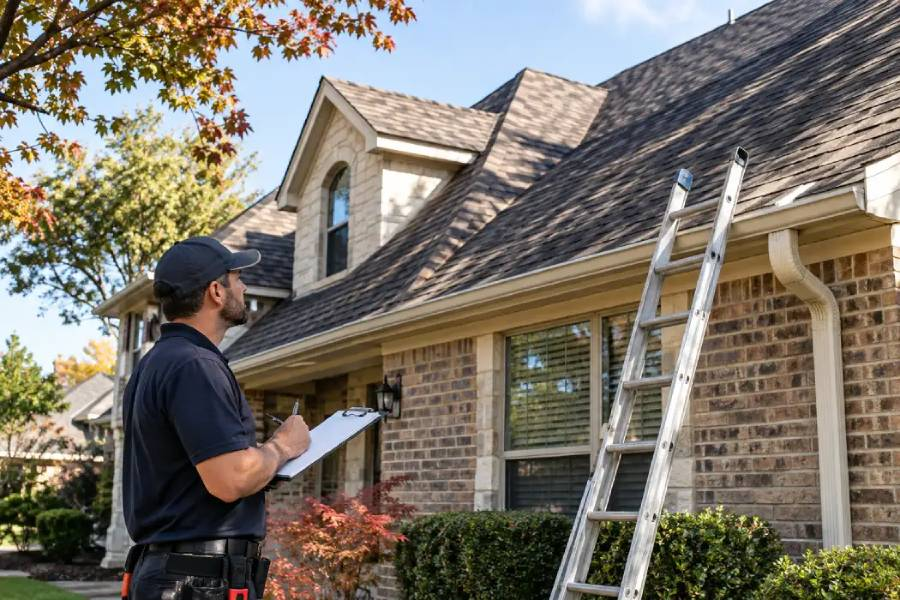
When November arrives in Dallas–Fort Worth, most homeowners start thinking about cooler weather, holiday plans, and preparing their homes for the months ahead. Roof maintenance, however, is easy to overlook until a ceiling stain appears or a sudden rainstorm exposes a problem.
Your roof works throughout the year to protect your home from North Texas sunshine, heavy rain, strong winds, and seasonal temperature changes. Even when the roof looks fine from the street, small issues may develop around shingles, flashing, gutters, and roof penetrations.
Following practical roof maintenance tips before winter can help you recognize warning signs, plan necessary repairs, and avoid surprises during colder or wetter weather.
The good news is that preventive roof maintenance does not always require a major project. In many cases, knowing what to look for and when to schedule an inspection is the most useful first step.
Why Roof Maintenance Matters Before Winter in DFW
North Texas does not experience the same winter conditions as consistently snowy northern states, but that does not mean homeowners can ignore seasonal roof preparation. Dallas–Fort Worth weather may include cold fronts, heavy rain, occasional freezing temperatures, and strong winds associated with changing weather systems.
Roofing materials also spend much of the year exposed to intense sunlight and heat. Over time, weather exposure can contribute to aging sealants, worn shingles, weakened flashing, and other maintenance concerns.
If these issues remain unnoticed, the arrival of cooler weather and additional rainfall may reveal vulnerabilities that existed for months.
Fall is therefore a useful time to review your roof’s condition. You can identify visible concerns, arrange repairs when needed, and establish a baseline for monitoring the roofing system.
The National Roofing Contractors Association’s roofing resources recommend regular roof inspections as a way to identify missing or damaged shingles, deteriorated flashing, and other developing problems.
Instead of waiting for a leak, homeowners should treat routine roof care as part of their overall home maintenance schedule.
1. Start Your Roof Inspection Checklist From the Ground
A roof inspection does not need to begin with climbing a ladder. In fact, homeowners should avoid walking on rooftops because of fall hazards and the possibility of damaging roofing materials.
Start by walking around your property from a safe location. Observe the roof from several angles, using binoculars if necessary.
Look for irregular roofing surfaces, missing shingles, sagging areas, damaged gutters, and debris collecting along roof valleys. Pay attention to whether different sections of the roof appear unusually worn or discolored.
If you notice a suspicious area, document it with a photograph. Record its location and whether the problem appeared after a particular storm or has been developing gradually.
This information can help a roofing professional understand your concerns during a more detailed evaluation.
Homeowners who want a closer assessment can explore roof inspection services in Dallas–Fort Worth to connect with professionals serving their area.
2. Check for Missing, Cracked, or Curling Shingles
Asphalt shingles are common on residential properties throughout Dallas–Fort Worth. Their condition is an important part of any roof inspection checklist because shingles form the exposed layer of protection against rain and wind.
From the ground, look for obvious gaps in the roofing pattern. Missing shingles may create darker or uneven areas that stand out against surrounding materials.
You should also watch for curling edges, cracked surfaces, lifted tabs, and sections that appear out of alignment. These symptoms may indicate aging materials, wind exposure, installation concerns, or localized damage.
Not every damaged shingle means the entire roof requires replacement. A professional assessment can help determine whether the problem is isolated or part of wider deterioration.
If shingles repeatedly become loose or damaged, ask the roofing professional to investigate the underlying cause rather than simply replacing individual pieces without further evaluation.
3. Examine Roof Flashing and Vulnerable Connections
Roof flashing is commonly installed around chimneys, vents, skylights, roof-to-wall intersections, and other areas where water could enter through a transition between materials.
Although flashing is less noticeable than shingles, it plays an important role in directing water away from vulnerable roofing connections.
Weather exposure, corrosion, movement, and deteriorating sealants can affect flashing performance over time. If flashing becomes loose, separated, or damaged, water may enter even when the surrounding shingles appear intact.
During your visual inspection, note any metal pieces that appear displaced or gaps around roof penetrations.
Inside the home, stains near chimneys or attic vents may also suggest a problem that deserves professional attention.
Avoid attempting to seal these areas with random caulking products. An improperly applied sealant may conceal the visible symptom without correcting the water-entry pathway.
4. Keep Gutters and Downspouts Clear
Gutters are sometimes treated as separate from the roofing system, but they are essential to effective roof drainage.
Leaves, twigs, roofing granules, and other debris can accumulate in gutters during autumn. When drainage becomes restricted, water may overflow near fascia boards, exterior walls, and landscaping.
During heavy rainfall, clogged drainage areas can create additional moisture concerns around the property.
Look for visible leaf buildup, sagging gutters, separated joints, and downspouts that discharge water too close to the foundation.
You should also check whether water appears to overflow from particular sections during ordinary rainfall. These observations can help identify where cleaning or drainage adjustments may be necessary.
If gutter cleaning requires ladder work or reaching difficult areas, use a qualified professional. A properly maintained drainage system supports both roof performance and broader home moisture management.
5. Look Inside the Attic for Early Warning Signs
Some roofing problems become noticeable inside the home before there are clear exterior symptoms.
An attic inspection from a safe, accessible location may reveal damp insulation, stained wood, musty odors, or discoloration around roof penetrations.
Check the underside of accessible roof decking for unusual dark marks or water trails. Pay attention to areas around plumbing vents, chimneys, and roof valleys.
However, a stain does not always confirm an active leak. Some marks may be associated with previous repairs, condensation, or another moisture source.
Avoid touching exposed wiring or entering unsafe attic spaces. If insulation or framing blocks your view, do not disturb materials unnecessarily.
When you find signs of moisture, document them and arrange an appropriate evaluation. Understanding the source of the problem is more effective than treating every attic stain as evidence that the roofing materials must be replaced.
6. Check Nearby Trees and Overhanging Branches
Trees offer welcome shade around North Texas homes, but branches extending over the roof can create maintenance concerns.
During strong winds, branches may scrape roofing materials or fall onto the house. Overhanging trees can also contribute leaves and small debris to gutters and valleys.
Inspect the area around your home for dead branches, limbs contacting shingles, and trees that appear unstable.
If trimming is needed, contact a qualified tree-care professional, particularly when branches are large, close to power lines, or difficult to reach.
Avoid standing beneath damaged limbs or attempting to remove heavy branches yourself.
The goal is not to remove every tree near the property. Instead, maintain reasonable clearance and address conditions that could damage the roof during severe weather.
7. Pay Attention to Roof Ventilation and Moisture
An effective roofing system depends on more than the condition of its exterior materials.
Attic ventilation, insulation, and moisture control can influence how the overall roof assembly performs. Problems may develop when warm, humid indoor air enters the attic, ventilation pathways are blocked, or moisture is allowed to accumulate.
During your seasonal home inspection, look for blocked soffit vents, unusual attic condensation, and areas where insulation obstructs intended airflow.
Do not assume that adding more vents automatically solves an attic problem. Ventilation requirements depend on the home’s design, insulation arrangement, and existing roof system.
A roofing or building professional can help determine whether visible moisture is related to ventilation, an actual roof leak, or another building-envelope concern.
For homeowners comparing roofing materials or evaluating an aging roof, information about residential roofing options throughout DFW can help identify the type of professional evaluation they may need.
8. Review Previous Roof Repairs
A roof that has undergone repairs deserves special attention during preventive maintenance.
Review the locations of previous leaks, replaced shingles, repaired flashing, and storm-related work. If a section has required repeated attention, there may be an underlying issue that has not been fully resolved.
Keep photographs, invoices, inspection reports, warranty information, and relevant paperwork together.
These records can help a contractor understand the roofing system’s history and may also be useful when documenting future damage.
Ask whether previous repairs remain in good condition and whether nearby materials show signs of aging or deterioration.
The best maintenance decision should consider the roof as a complete system rather than focusing only on the last visible problem.
9. Prepare for Changing North Texas Weather
Fall roof maintenance should be combined with awareness of local weather conditions.
Before severe weather, secure loose outdoor items, check drainage areas, and avoid unnecessary rooftop activity. After significant winds or rainfall, inspect the property from a safe location for new damage.
The National Weather Service Fort Worth/Dallas office provides local forecasts and weather information that homeowners can use when preparing for changing conditions.
If a strong storm passes through your neighborhood, look for displaced shingles, fallen branches, damaged gutters, and newly appearing water stains.
Do not climb onto a wet or damaged roof to investigate. If a power line is down or a tree is resting on the structure, stay clear and contact the appropriate emergency professionals.
Not every storm requires a full roofing project. However, visible damage or new leaks should prompt timely professional evaluation.
10. Know When to Schedule a Professional Roof Inspection
Routine homeowner observations are valuable, but they cannot replace a detailed professional roofing assessment.
A qualified roofer may examine roofing materials, flashing, penetrations, drainage, ventilation-related concerns, and previous repair areas more closely than is possible from the ground.
Consider scheduling an inspection when you notice missing shingles, recurring leaks, visible sagging, damaged flashing, or deterioration affecting several sections.
A professional inspection may also be useful when the roof is approaching the end of its expected service life or when you are planning other major exterior improvements.
Before proceeding with work, request a clear explanation of findings. Ask which problems require prompt attention, which can be monitored, and whether repair or replacement is appropriate.
Frequently Asked Questions
How often should homeowners inspect their roofs?
A visual check in spring and fall is a practical starting point. Homeowners should also look for visible damage after significant storms. Professional inspection frequency depends on the roof’s age, condition, material, repair history, and weather exposure.
Is November a good time for roof maintenance in Dallas–Fort Worth?
Yes. November can be a convenient time to address visible roofing concerns before colder weather arrives. Actual repair scheduling depends on weather conditions, contractor availability, and the materials involved.
Can roof maintenance prevent every leak?
No. Preventive maintenance helps identify vulnerabilities but cannot guarantee that a roof will never leak. Severe weather, hidden damage, aging materials, and installation defects may still create problems.
Should I clean my roof myself?
Homeowners can safely observe much of the roof from the ground, but climbing onto a roof or performing repairs presents significant risks. Professional assistance is appropriate for elevated work, difficult access, and potentially damaged materials.
What is the most important pre-winter roofing task?
There is no single task for every property. Checking for visible damage, ensuring drainage is functioning, and addressing existing leaks are strong priorities. The right approach depends on your roof’s specific condition.
Protect Your DFW Home With Preventive Roof Care
Taking care of your roof before winter is about recognizing small problems before they create more serious concerns. By checking shingles, flashing, gutters, attic conditions, nearby trees, and previous repairs, you can make better decisions about maintenance and professional inspections.
Texas Local Roofer helps homeowners connect with roofing professionals serving Dallas–Fort Worth and surrounding communities. If you have noticed roof damage or want a professional opinion before the colder months, explore roofing services in Dallas, TX to find local roofing assistance.