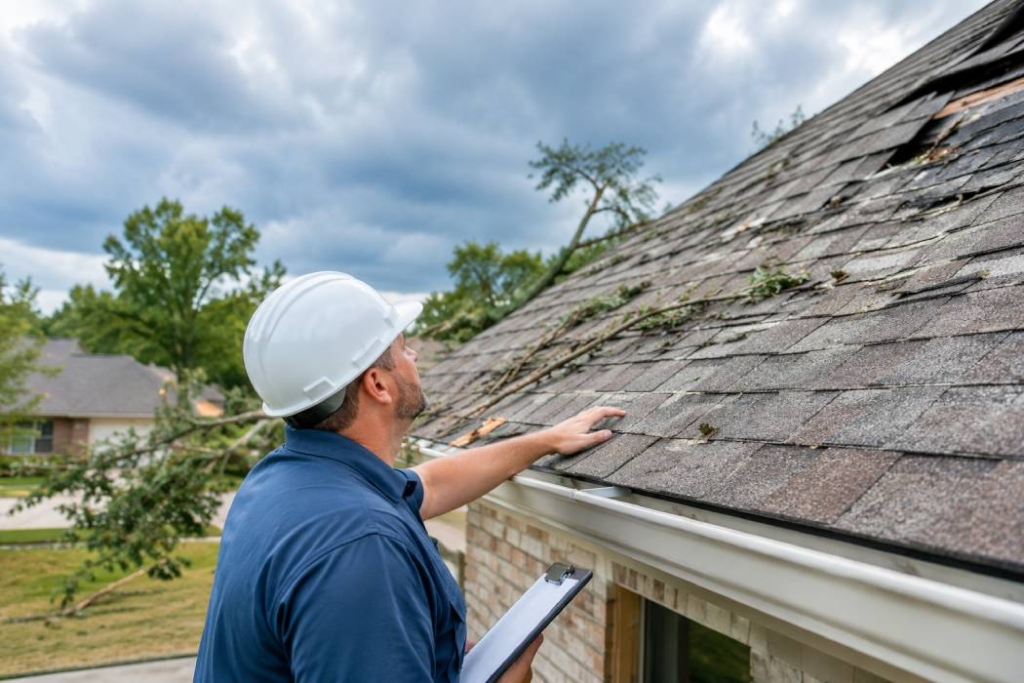
After a North Texas storm rolls through, it’s easy to glance up at your roof from the ground, see nothing obviously wrong, and assume everything is fine. The problem is that a lot of storm damage, especially hail bruising and lifted shingle edges, simply isn’t visible from the ground or even from a quick look with binoculars. A proper roof inspection is the only reliable way to know what’s actually happening up there.
This matters more in DFW than in a lot of other parts of the country. Between the spring hail season, summer downbursts, and the occasional tornado warning, most homes in Dallas, Fort Worth, and the surrounding suburbs will take some kind of weather hit every few years. The homeowners who catch that damage early, through a proper inspection rather than a glance from the driveway, tend to spend far less on repairs down the road than those who wait until a leak forces the issue.
What a Roof Inspection Actually Involves
A thorough inspection goes well beyond a visual scan from the driveway. A roofer walking the roof, or using a drone when access is limited, will typically check for:
- Cracked, curled, or missing shingles
- Bruising or granule loss from hail impact
- Damaged flashing around chimneys, vents, and skylights
- Soft spots in the decking that could indicate water intrusion
- Clogged or damaged gutters and downspouts
- Signs of prior repairs that may need attention
Interior signs matter too. Water stains on ceilings, a musty smell in the attic, or daylight visible through the roof deck are all indicators worth mentioning to your inspector, since they can help pinpoint where a leak is originating. A good inspector will also ask about the age of the roof and the type of material installed, since a 20-year-old asphalt shingle roof and a newer metal roof hold up very differently to the same hailstorm, and that context changes what the inspector is specifically looking for.
Most inspections also include a look at the attic itself, not just the exterior. Signs of moisture on the underside of the decking, compressed or damp insulation, or daylight coming through nail holes can all point to a problem that hasn’t yet worked its way through to a visible ceiling stain. Catching these signs early is often the difference between a simple patch and a much larger repair involving drywall and insulation replacement.
Why “Free” Inspections Are Common in DFW
Many roofing companies in Dallas Fort Worth offer inspections at no cost, particularly after a significant hailstorm or windstorm moves through the area. This isn’t unusual in the roofing industry. Inspections are relatively quick for an experienced roofer to perform, and the goal is to identify whether repair or replacement work is actually needed before either side commits to anything. If your roof turns out to be fine, you’ve lost nothing but a bit of time. If damage is found, you now have documentation and options.
That said, it’s worth choosing a roof inspection from a contractor who provides an honest, detailed report rather than a rushed walk around that pushes straight into a sales pitch. A good inspection should leave you with clear photos and a written summary of what was found, whether or not you move forward with repairs through that company. Be wary of anyone who claims to have already spotted major damage before they’ve even set foot on the roof, or who pressures you to sign a repair contract on the spot. A trustworthy inspector wants you to have enough information to make a decision, not just enough urgency to sign quickly.
How an Inspection Supports an Insurance Claim
If you’re filing a claim after storm or hail damage, documentation is everything. An adjuster is going to look for clear evidence that damage occurred and that it’s consistent with a specific storm date. A professional roof inspection, especially one performed shortly after the storm, can provide:
- Time stamped photos of the damage
- A written assessment describing the type and extent of damage
- Notes distinguishing storm damage from normal wear and tear
This kind of documentation strengthens your claim and can help prevent disputes over whether damage is storm related or simply the result of an aging roof. If repairs are ultimately needed, connecting with storm and hail damage specialists who are used to working alongside insurance adjusters can make the whole process smoother. Many homeowners don’t realize that coverage for roof damage generally falls under the dwelling portion of a homeowners policy, and that insurers typically distinguish between sudden, storm-related damage and the kind of gradual wear that isn’t covered. Insurify’s overview of roof insurance coverage breaks down that distinction in more detail, along with how a roof’s age can affect what an insurer is willing to pay out.
It also helps to have your inspection scheduled as close to the storm date as possible. Adjusters are more confident attributing damage to a specific weather event when the inspection report and the storm date line up closely, and a gap of several months between the storm and the first inspection can sometimes raise questions about whether the damage happened during that storm or sometime after.
Signs You Shouldn’t Wait to Schedule One
While an annual inspection is generally a good habit, a few situations call for scheduling one sooner rather than later:
- A hailstorm or high wind event has recently passed through your area
- You’ve noticed a water stain on a ceiling or ceiling tile
- Your roof is approaching or past the typical lifespan for its material
- You’re preparing to sell your home and want to address issues before they come up in a buyer’s inspection
- A neighbor’s roof was recently repaired or replaced after storm damage, which often signals the same storm affected your property
That last point is worth paying attention to. Hail and wind damage don’t always follow neat property lines, and it’s common for one side of a street to take a harder hit than the other depending on the direction a storm cell moved through. If you notice roofing crews working on nearby homes after a storm, it’s a reasonable prompt to have your own roof checked, even if nothing looks obviously wrong.
What Happens After the Inspection
Once the inspection is complete, you should receive a clear picture of your roof’s condition. From there, a few outcomes are possible. If no damage is found, you simply have peace of mind and a documented baseline for future reference. If minor issues are found, a straightforward roof repair may resolve them. If the damage is more extensive or the roof is nearing the end of its usable life, the inspector will typically walk you through replacement options and timelines, which may include a full roof replacement depending on the roof’s age and the extent of the damage.
For active leaks discovered during the inspection, don’t wait on scheduling a fix. Even a small, seemingly minor leak can lead to mold growth in the attic or wall cavities within a couple of days, so an inspection that turns up an active leak should move fairly quickly into a repair conversation rather than sitting on the calendar for a few weeks.
Frequently Asked Questions
How long does a typical inspection take?
Most residential roof inspections take between 20 and 45 minutes, depending on the size of the roof and whether interior access is also needed.
Do I need to be present during the inspection?
It’s helpful, especially if you want to walk through any concerns beforehand or ask questions afterward, but it isn’t always required for the exterior portion of the inspection.
Can an inspection be done if it's still raining or storming?
No. Inspectors need dry, safe conditions to walk the roof, so inspections are typically scheduled once weather has cleared.
How soon after a storm should I schedule an inspection?
As soon as it’s reasonably possible, ideally within a week or two of the storm. Scheduling promptly makes it easier to tie any damage found to a specific weather event, which matters if you end up filing an insurance claim, and it also reduces the amount of time a hidden leak has to cause secondary damage before anyone notices.
For general guidance on roofing materials, storm damage assessment, and industry standards, the National Roofing Contractors Association maintains a library of consumer facing resources. For homeowners wanting to understand how roof damage typically interacts with an insurance policy, Insurify’s overview of roof insurance coverage explains what is generally covered under a standard homeowners policy and what tends to fall outside of it.